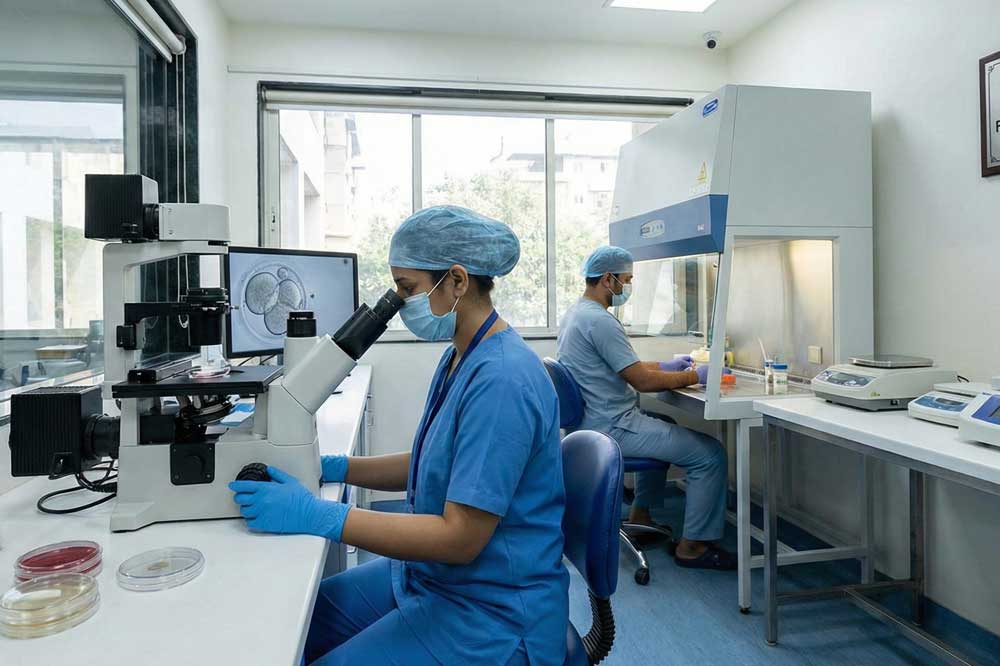
ICSI Treatment in India: Advanced Solution for Male Factor Infertility

When conventional IVF isn’t enough, ICSI (Intracytoplasmic Sperm Injection) offers hope. This advanced fertility treatment was a revolutionary breakthrough when it was first introduced in 1992, and today it has helped millions of couples worldwide overcome male factor infertility .

If you’ve been told that low sperm count, poor motility, or abnormal sperm morphology is standing between you and parenthood, ICSI may be the answer you’ve been searching for.

At Medioasis, we connect you with India’s leading fertility specialists and embryologists who perform thousands of successful ICSI cycles annually. With world-class laboratories, competitive costs, and compassionate support, we help make your dream of parenthood a reality.

  • Fertility
  • ICSI Treatment in India: Cost, Success Rates & Complete Guide

What is ICSI?

ICSI stands for Intracytoplasmic Sperm Injection. It is a specialized form of IVF where a single healthy sperm is injected directly into a mature egg to achieve fertilization .

Think of it this way:

Conventional IVF: Sperm and eggs are placed together in a dish, and sperm fertilizes the egg naturally (like natural conception, but in a lab).

ICSI: An embryologist selects the best-looking, healthiest sperm and injects it directly into the egg using a microscopic needle .

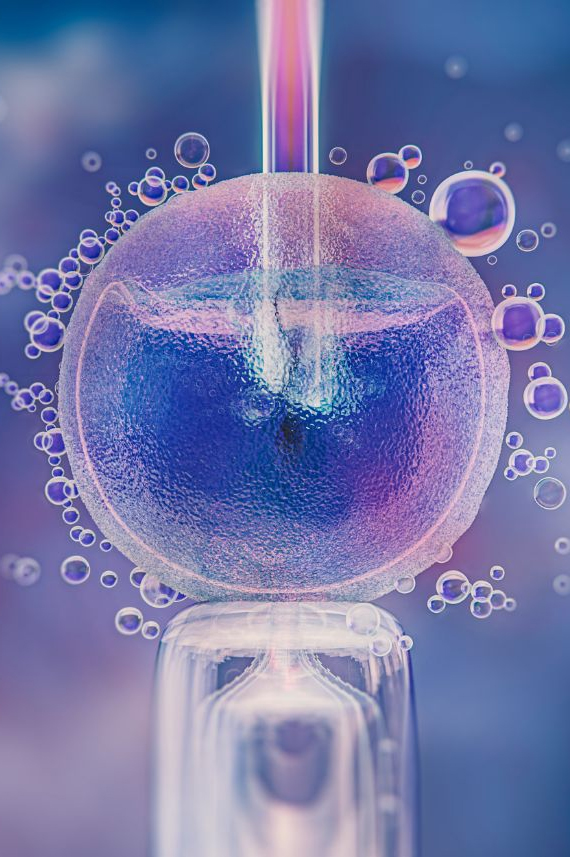
This technique bypasses many of the barriers that prevent natural fertilization, making it a game-changer for couples facing male factor infertility .

ICSI vs. IVF: What's the Difference?

Factor Conventional IVF ICSI
Fertilization Method Sperm and egg are mixed together; sperm penetrates egg naturally A single sperm is injected directly into the egg
Sperm Requirement Requires higher sperm count and good motility Can be performed with as few as 1-10 healthy sperm
Best For Tubal factor, unexplained infertility, endometriosis Severe male factor infertility, low sperm count, poor motility, abnormal morphology
Previous IVF Failure May be tried first Recommended if previous IVF cycles had poor fertilization
Cost Difference Base cost +$500 – $1,000 per cycle
Fertilization Rate 50-70% (depends on sperm quality) 70-85% (consistent across cases)

Why India for ICSI Treatment?

India has become a preferred destination for ICSI treatment for several compelling reasons:

Expert Embryologists: Indian embryologists are highly skilled in micro-manipulation techniques, with many trained at international centers of excellence .

Advanced Laboratories: Top IVF centers in India are equipped with cutting-edge technology—time-lapse incubators, laser-assisted hatching, and AI-assisted embryo selection .

High Success Rates: Leading Indian clinics achieve ICSI success rates comparable to the best centers in the US and Europe .

Cost-Effective: Save 70-80% compared to Western countries, making multiple cycles financially feasible .

No Waiting Lists: Begin treatment within weeks, not months .

Regulated Practice: India's ART Act provides a clear legal framework ensuring patient safety and ethical practices .


ICSI Treatment Cost in India

ICSI is more affordable in India than almost anywhere else in the world, without compromising on quality or success rates .

Treatment Cost in India (USD) Cost in USA (USD) Cost in UK (USD)
IVF with ICSI (One Cycle) $4,000 – $6,000 $15,000 – $20,000 $9,000 – $12,000
ICSI with PGT (Genetic Testing) $6,000 – $8,500 $20,000 – $30,000 $12,000 – $17,000
ICSI with Donor Sperm $4,500 – $7,000 $18,000 – $25,000 $10,000 – $14,000
ICSI with Frozen Sperm (TESA/PESA) $5,000 – $7,500 $20,000 – $28,000 $11,000 – $15,000

Note: These are indicative ranges. Final costs depend on the clinic, medications, and any additional procedures required. Medioasis provides personalized estimates after reviewing your case .

What's Included in Your ICSI Package?

Inclusions Exclusions Suggested Stay
Fertility Specialist Consultations International Airfare Total Stay: 18-25 days
Ovarian Stimulation Medications Visa Fee (We provide the invite letter) Monitoring Phase: 10-12 days
Ultrasound & Blood Work Monitoring Hotel for attendants (We can arrange this) Egg Retrieval: 1 day (outpatient)
Egg Retrieval Procedure (under sedation) Personal Expenses ICSI Procedure: 1 day (lab)
ICSI Procedure (Micromanipulation by embryologist) Embryo Transfer: 1 day
Embryo Culture (up to 5-6 days) Recovery: 2-3 days post-transfer
Embryo Transfer
Embryo Freezing (Vitrification) for surplus embryos
Airport Transfers (Pick up & Drop)
24/7 Medioasis Coordinator (Translation & Support)
Follow-up Video Consultations post-discharge

What Determines the Cost of ICSI ?

Answer: ICSI requires specialized equipment (micromanipulators, inverted microscopes with high magnification) and highly skilled embryologists trained in micro-injection techniques. The procedure is labor-intensive—each egg must be injected individually by hand. This additional expertise and time account for the higher cost .

Answer: Yes. If you have no sperm in your ejaculate (azoospermia), surgical sperm retrieval may be necessary. Procedures like TESA (Testicular Sperm Aspiration) or PESA (Percutaneous Epididymal Sperm Aspiration) are performed under local anesthesia and add approximately $1,000–$2,000 to the overall cost .

Answer: PGT is not automatically required with ICSI. It is recommended when there is a known genetic disorder, advanced maternal age, recurrent pregnancy loss, or previous failed IVF cycles. PGT screens embryos for chromosomal abnormalities before transfer, increasing the chances of a healthy pregnancy .

Answer: It depends on the severity. If sperm count is moderately low, conventional IVF may still work. However, if the count is very low (severe oligospermia), motility is poor, or morphology is abnormal, ICSI significantly improves fertilization rates. Your specialist will advise based on your specific semen analysis .

Who Needs ICSI?

ICSI is recommended for a variety of fertility challenges, primarily related to male factor infertility :

Male Factor Indications

Very Low Sperm Count (Oligospermia): Fewer than 5-10 million sperm per milliliter.

Poor Sperm Motility (Asthenospermia): Sperm that doesn't swim properly.

Abnormal Sperm Morphology (Teratospermia): Sperm with abnormal shape/structure.

Azoospermia: No sperm in the ejaculate (requires surgical sperm retrieval).

Anti-Sperm Antibodies: When the immune system attacks sperm.

Previous Vasectomy or Failed Reversal: Sperm can be retrieved surgically.

Obstructive Azoospermia: Blockage preventing sperm from being ejaculated.

Other Indications

Previous IVF Failure: When conventional IVF resulted in poor or no fertilization.

Frozen Sperm: Sperm that has been frozen may have reduced motility; ICSI ensures fertilization .

Unexplained Infertility: When no cause is found but fertilization is poor.

PGT Requirement: ICSI is often used with PGT to ensure no extraneous sperm DNA interferes with testing .

Egg Donation Cycles: When using donor eggs, ICSI maximizes fertilization .

The ICSI Procedure

Step 1:

Ovarian Stimulation (Days 1-10)

The female partner receives hormone injections (FSH and LH) to stimulate the ovaries to produce multiple eggs. Regular monitoring via ultrasound and blood tests ensures optimal follicle development .

Step 2:

Egg Retrieval (Day 12-14)

Under light sedation, the doctor uses an ultrasound-guided needle to aspirate eggs from the ovarian follicles. The procedure takes 20-30 minutes. Retrieved eggs are immediately transferred to the IVF laboratory .

Step 3:

Sperm Collection & Preparation

The male partner provides a semen sample on the same day as egg retrieval. In cases of azoospermia, surgical sperm retrieval (TESA/PESA) is performed. In the lab, sperm are washed, and the healthiest, most motile sperm are selected for injection .

Step 4:

The ICSI Procedure (Day 0)

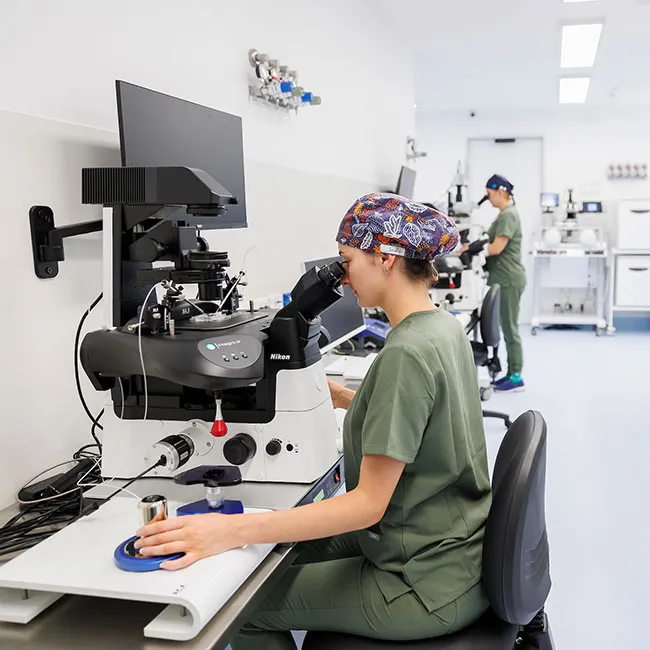
Under a high-powered microscope (400x magnification), an embryologist:

  1. Holds a mature egg steady with a holding pipette.
  2. Uses a ultra-fine glass needle (thinner than a human hair) to pick up a single healthy sperm.
  3. Gently injects the sperm directly into the egg’s cytoplasm.
  4. Repeats this process for each mature egg .

This delicate procedure takes approximately 5-10 minutes per egg .

Step 5:

Fertilization Check (Day 1)

Approximately 16-18 hours after injection, embryologists check for signs of normal fertilization—the appearance of two pronuclei (one from the egg, one from the sperm). Fertilization rates with ICSI typically range from 70-85% .

Step 6:

Embryo Culture (Days 2-5)

Fertilized embryos are cultured in specialized incubators. Advanced labs use time-lapse technology to monitor embryo development without disturbing the culture environment. Embryos are graded daily for quality.

Step 7:

Embryo Transfer (Day 3 or Day 5)

One or two high-quality embryos are selected for transfer. The transfer procedure is simple and painless—a thin catheter is passed through the cervix, and embryos are gently placed into the uterus. Surplus high-quality embryos can be frozen (vitrified) for future use .

Step 8:

The Two-Week Wait

After transfer, progesterone supplements support implantation. A pregnancy blood test (beta-hCG) is performed approximately 12-14 days after embryo transfer.

ICSI Success Rates in India

ICSI success rates depend on multiple factors, with female age being the most significant .

Age Group Average Success Rate per Cycle (Live Birth)
Under 35 45% – 55%
35 – 37 40% – 45%
38 – 40 30% – 35%
41 – 42 15% – 20%
Over 42 5% – 10% (often with donor eggs)

Note: These are averages from top Indian fertility clinics. Success rates depend on egg quality, embryo quality, and clinic expertise .

ICSI Success Rates in India

Female Age: The single most important factor determining egg quality and implantation potential .

Egg Quality: Even with ICSI, healthy eggs are essential for successful fertilization and embryo development.

Sperm Source: Ejaculated sperm, epididymal sperm (PESA), and testicular sperm (TESA) all have different success rates .

Embryologist Skill: ICSI requires exceptional technical skill. Experienced embryologists achieve higher fertilization and pregnancy rates.

Embryo Quality: Blastocyst transfers (Day 5-6) generally have higher success rates than cleavage-stage transfers (Day 3).

Clinic Infrastructure: Advanced labs with time-lapse imaging and quality control systems improve outcomes .
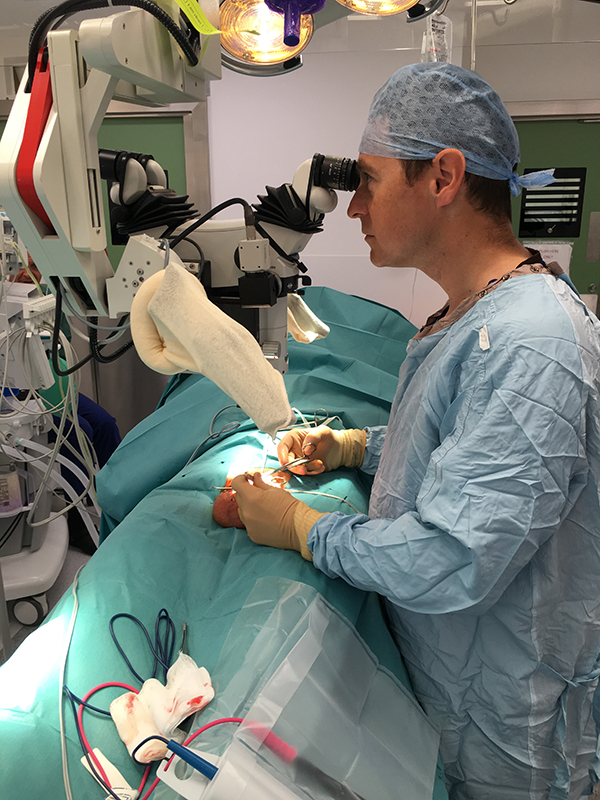
Surgical Sperm Retrieval : TESA, PESA, Micro-TESE

Procedure Method Best For Recovery
PESA (Percutaneous Epididymal Sperm Aspiration) Needle aspiration from epididymis Obstructive azoospermia (blockage, vasectomy) 1-2 days, minimal discomfort
TESA (Testicular Sperm Aspiration) Needle aspiration from testicle Obstructive azoospermia, some non-obstructive cases 2-3 days, mild soreness
Micro-TESE (Microdissection Testicular Sperm Extraction) Microsurgical extraction under microscope Non-obstructive azoospermia (testicular failure) 3-5 days, requires microsurgery

These procedures are performed under local or general anesthesia and are typically done on the same day as egg retrieval .

ICSI with PGT (Genetic Testing)

For couples with known genetic disorders or recurrent pregnancy loss, ICSI combined with PGT offers additional reassurance :

PGT-A (Aneuploidy Testing): Screens embryos for correct number of chromosomes. Reduces miscarriage risk and improves implantation rates .

PGT-M (Monogenic Disorders): Tests for specific genetic conditions like cystic fibrosis, thalassemia, or Huntington's disease .

PGT-SR (Structural Rearrangements): For couples with chromosomal translocations or inversions .
Process: After ICSI and embryo culture, a few cells are biopsied from each embryo (usually on Day 5 or 6). These cells are sent for genetic analysis. Only genetically normal embryos are transferred .

Meet India's Leading Fertility Specialists & Embryologists

Medioasis partners with top reproductive medicine experts who are:

Board-certified reproductive endocrinologists and urologists specializing in male infertility .

Senior embryologists with advanced training in ICSI and micromanipulation techniques .

Trained at international institutions and members of global fertility societies (ASRM, ESHRE) .

Experienced with international patients from over 50 countries .

Known for high success rates and transparent communication .

Dr. Malvika Sabharwal

Specialty

Gynecologist And Obstetrician

Dr. Suneeta Mittal

Specialty

Gynecologist And Obstetrician

Dr. Veena Bhat

Specialty

Gynecologist And Obstetrician

Dr. Laila Dave

Specialty

Gynecologist And Obstetrician

Top IVF Centers for ICSI in India

Our network includes India's most respected fertility centers, equipped with:

Advanced ICSI workstations with micromanipulators .

Time-lapse incubators (Embryoscope, Geri) for continuous embryo monitoring .

AI-assisted embryo selection technology .

Comprehensive genetic testing facilities (PGT) .

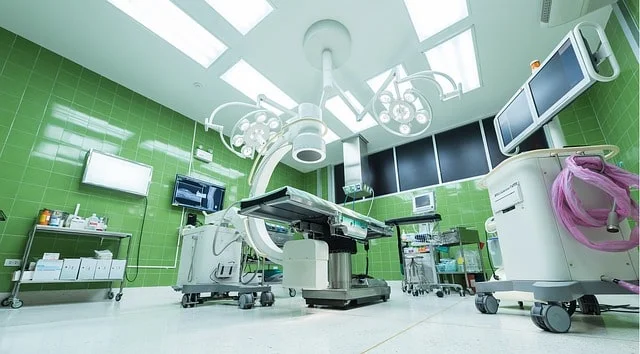
Dedicated fertility operation theaters .

International patient coordinators and comfortable recovery spaces .
Advance Fertility & Gynecology Centre

Location : New Delhi

IVF & Infertility

Nova IVF Infertility

Location : New Delhi

Infertility & IVF

Cloud Nine Hospital

Location : Mumbai

Gynecology & Pediatrics

Why Medioasis for Your ICSI Journey?

Specialist Matching: We connect you with fertility experts who have specific experience in male factor infertility and ICSI .

Transparent Pricing: No hidden costs. We provide detailed estimates before you travel .

End-to-End Support: From visa assistance to airport pickup, clinic coordination, and follow-up care, we are with you every step .

Embryologist Expertise: We ensure you're treated at centers with senior, experienced embryologists—critical for ICSI success .

Medical Visa Assistance: We provide official invitation letters for medical visas .

Follow-Up Care: Stay connected with your specialist via video consultations after returning home .
FREQUENTLY ASKED QUESTIONS

ICSI does not guarantee pregnancy, but it significantly improves fertilization rates when male factor infertility is present. For couples with normal sperm, conventional IVF works just as well. The key is matching the right technique to your specific diagnosis .

When performed by an experienced embryologist, the risk of egg damage is very low (less than 5-10%). The procedure has been refined over three decades and is considered safe .

Extensive research has shown that children conceived through ICSI are generally healthy. There is a very small increased risk of certain genetic conditions, particularly if the infertility has an underlying genetic cause. This is why genetic counseling and PGT may be recommended in some cases .

The actual injection process takes about 5-10 minutes per egg. For an average cycle with 8-12 eggs, the embryologist spends approximately 1-2 hours performing the injections .

Yes, absolutely. In fact, ICSI is the preferred method when using frozen sperm because sperm motility may be reduced after thawing. ICSI ensures fertilization regardless of motility .

This is a risk in non-obstructive azoospermia. In such cases, the cycle can proceed using donor sperm (if you've consented in advance), or the eggs can be frozen for future use after sperm retrieval in a subsequent cycle .

Plan for approximately 18-25 days. This includes ovarian stimulation (10-12 days), egg retrieval, ICSI procedure, embryo culture (3-5 days), and embryo transfer. If you have initial consultations online, the stay can be reduced .

Simple:

  1. Contact Us: Reach out via WhatsApp or email. Share your medical history, semen analysis reports, and any previous fertility treatments .
  2. Get Expert Opinions: We'll arrange virtual consultations with 2-3 top fertility specialists experienced in ICSI .
  3. Choose & Travel: Select your preferred doctor, receive your visa invitation letter, and book your flight .

Questions to Ask Your Specialist During Consultation

Prepare for your virtual meeting with this checklist:

Is ICSI definitely necessary in my case, or could conventional IVF work?

What is your clinic's fertilization rate with ICSI?

How many ICSI cycles do you perform annually?

What is the experience level of your embryology team?

Do you recommend PGT (genetic testing) with ICSI for my situation?

If surgical sperm retrieval is needed, who performs it and what is the success rate?

What happens if no sperm is found on the day of retrieval?

What is your clinic's live birth rate for patients with my diagnosis?

How many embryos do you typically transfer?

What is your embryo freezing and storage policy?

Male factor infertility no longer means giving up on your dream of parenthood. ICSI has transformed millions of lives—let it transform yours.