Knee Replacement Surgery in India: Cost, Top Surgeons & Full Recovery Guide

Knee replacement surgery in India costs 60–80% less than in the US or UK — without any compromise on surgical quality, implant standards, or hospital accreditation. At MediOasis, we help international patients access India’s top knee replacement surgeons with full care coordination from consultation to recovery.

  • Orthopedics
  • Knee Replacement Surgery in India: Cost, Top Surgeons & Recovery Guide (2025)

Why Choose India for Your Knee Replacement?

India is not just a cost-effective option; it is a world-class destination for orthopedics.

High Volume, High Expertise: Indian surgeons perform hundreds of knee replacements annually, leading to exceptional success rates.

JCI & NABH Accredited Hospitals: You will be treated in facilities that match international sterilization and safety standards.

No Waiting Lists: Get your surgery scheduled within days, not months.

Knee Replacement Surgery Cost in India (Transparent Pricing)

The most common question we receive is about cost. Unlike Western countries where bills can be unpredictable, Indian hospitals offer bundled pricing.

Estimated Price Range:

Single Knee Replacement: Starting from USD 3,800

Bilateral (Both Knees) Replacement: Starting from USD 7,800
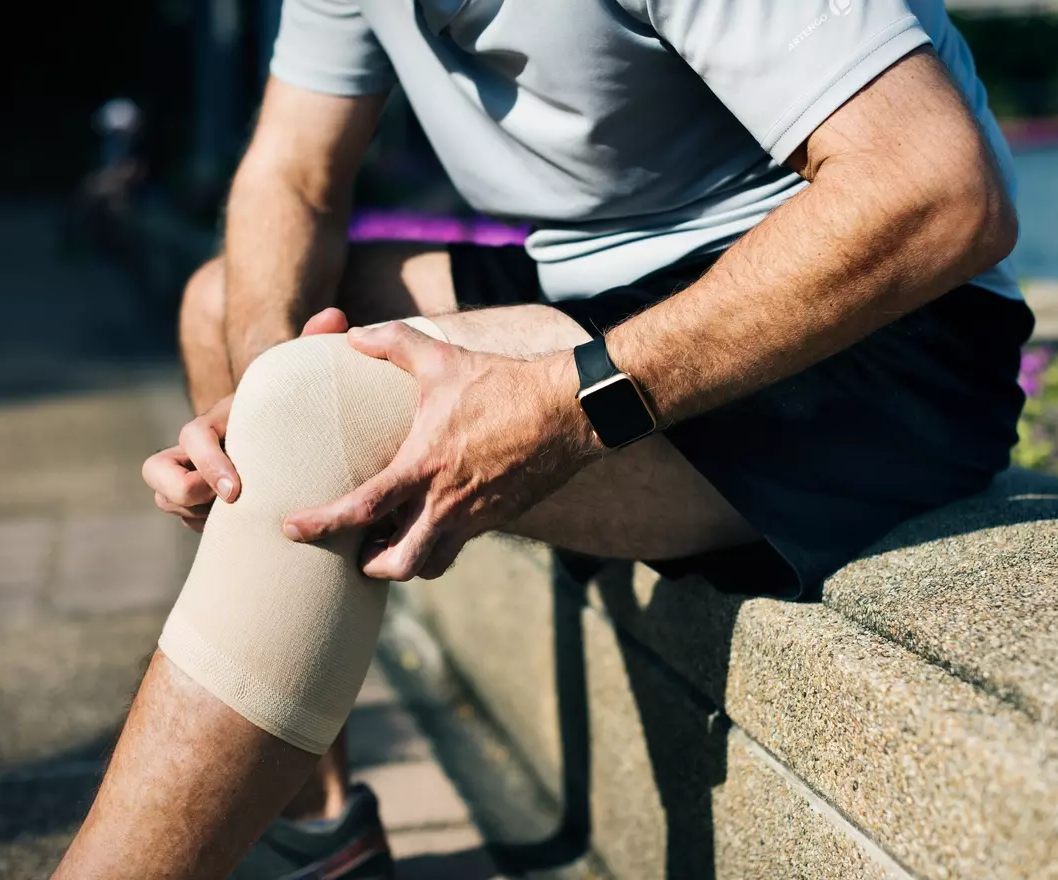
Note: The final cost depends on implant choice, surgeon’s experience, and hospital city.

What’s Included in Our Package?

We believe in zero surprises. Here is exactly what our standard package covers:

Inclusions Exclusions Suggested Stay
FDA Approved Implants (High Quality) International Airfare Pre-op: 1 day (Tests)
Surgeon & Anesthetist Fees Visa Fee (We provide the invite letter) Hospital: 4-5 days
Pre-Op Investigations (Blood work, X-rays) Hotel for attendants (We can arrange this separately) Recovery: 7-10 days
Hospital Stay & Nursing Care Personal Expenses
Medicines & Consumables during hospital stay
Airport Transfers (Pick up & Drop)
24/7 Medioasis Coordinator (Translation & Support)

What Determines the Final Cost?

To help you budget accurately, here are the specific factors that influence the price:


Yes, significantly. Implants can be made of different materials (cobalt-chromium, titanium, or ceramics). There are also different brands (American, European, or Indian-made). Your surgeon will recommend the best type based on your bone density and activity level. We provide options at different price points so you can choose what fits your budget.

In India, surgeon fees reflect experience and reputation. A senior surgeon with 25+ years of experience and international training will have a higher fee than a newly qualified doctor. However, even the top 1% of surgeons in India are significantly more affordable than their Western counterparts.

No. At Medioasis, we provide a detailed quotation before you travel. However, we always advise patients to keep a small contingency fund (approx. USD 500) for unexpected medications or extended physiotherapy if required.

Understanding the Surgery: What is Knee Replacement ?

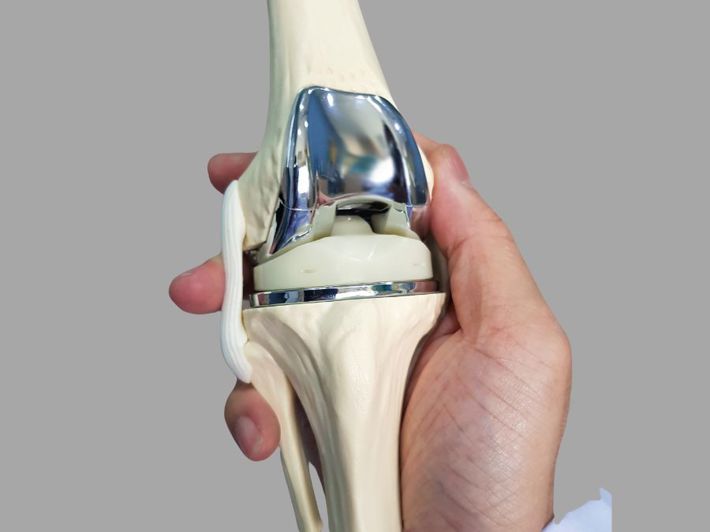
Medically known as Knee Arthroplasty, this procedure is actually a “resurfacing” rather than a total replacement. The surgeon removes the damaged cartilage and bone ends and caps them with metal and plastic components to recreate the smooth gliding surface of the joint.

The Procedure Step-by-Step:

Preparation: The damaged surfaces of the thigh bone (femur) and shin bone (tibia) are precisely cut.

Implant Placement: Metal components are fixed to the bone ends (either with bone cement or a press-fit technique).

Resurfacing: The back of the kneecap (patella) is cut and fitted with a polyethylene (plastic) button to allow smooth movement.
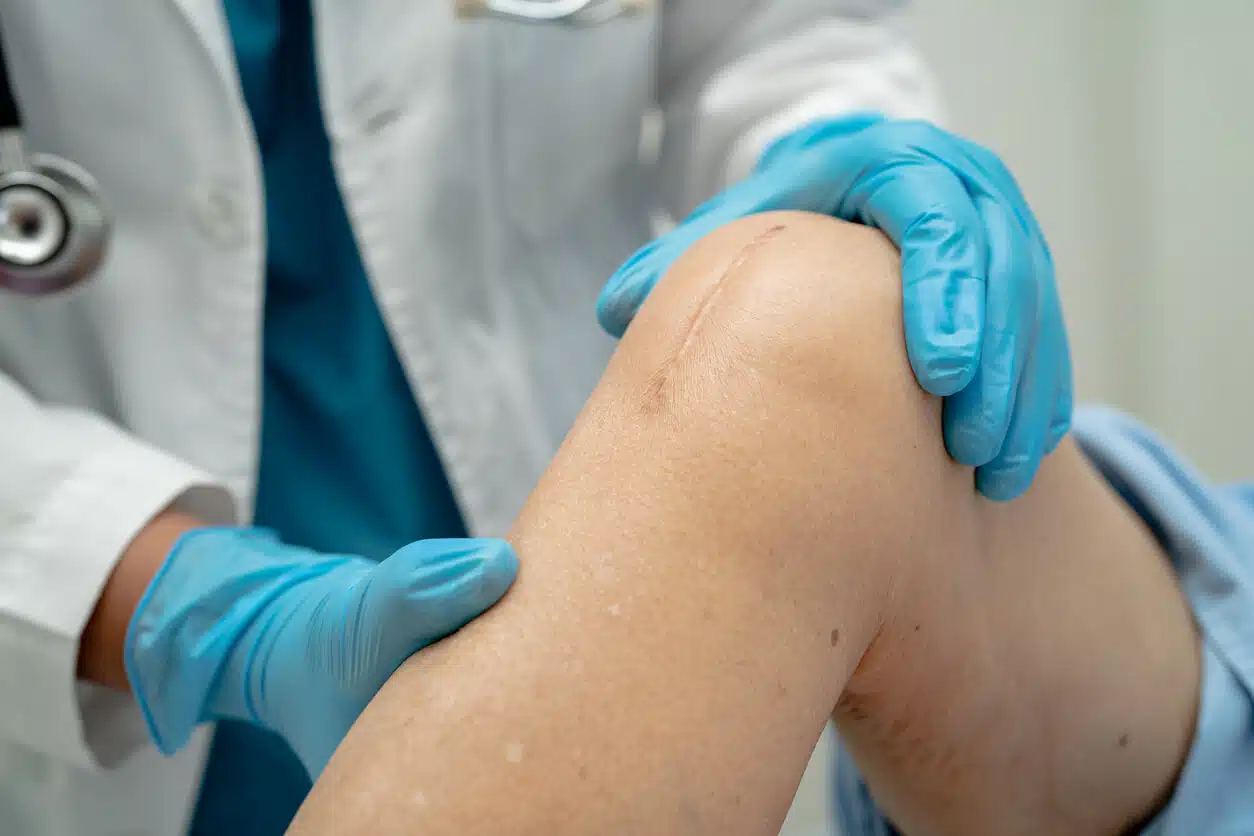
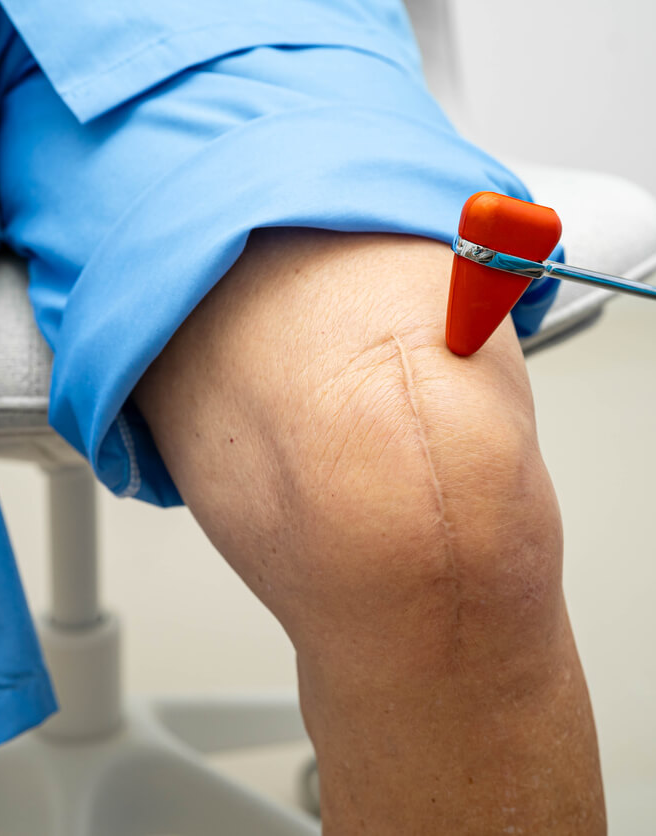
Surgical Techniques: Which One is Right for You?

Technology has advanced rapidly. Here are the options available at our partner hospitals:
Technique Incision Size Recovery Speed Best For
Traditional Knee Replacement 8-12 inches Standard Complex cases, severe deformities
Minimally Invasive (Keyhole) 4-6 inches Faster, less pain Patients with good bone stock
Computer-Assisted (NAV3) 4-6 inches Highly Accurate Younger patients, precise alignment needed
Robotic-Assisted 4-6 inches Fastest recovery Patients wanting precision and tissue preservation

When is Surgery Necessary? (Signs You Shouldn't Ignore)

You may be a candidate for knee replacement surgery if you answer "yes" to most of these questions:

Do you have pain even when you are resting or sleeping?

Have you tried physical therapy, injections, or medications without lasting relief?

Is your knee noticeably swollen every day?

Has your knee started to bend inward or outward (deformity)?

Can you no longer walk up stairs, go grocery shopping, or play with your grandchildren?
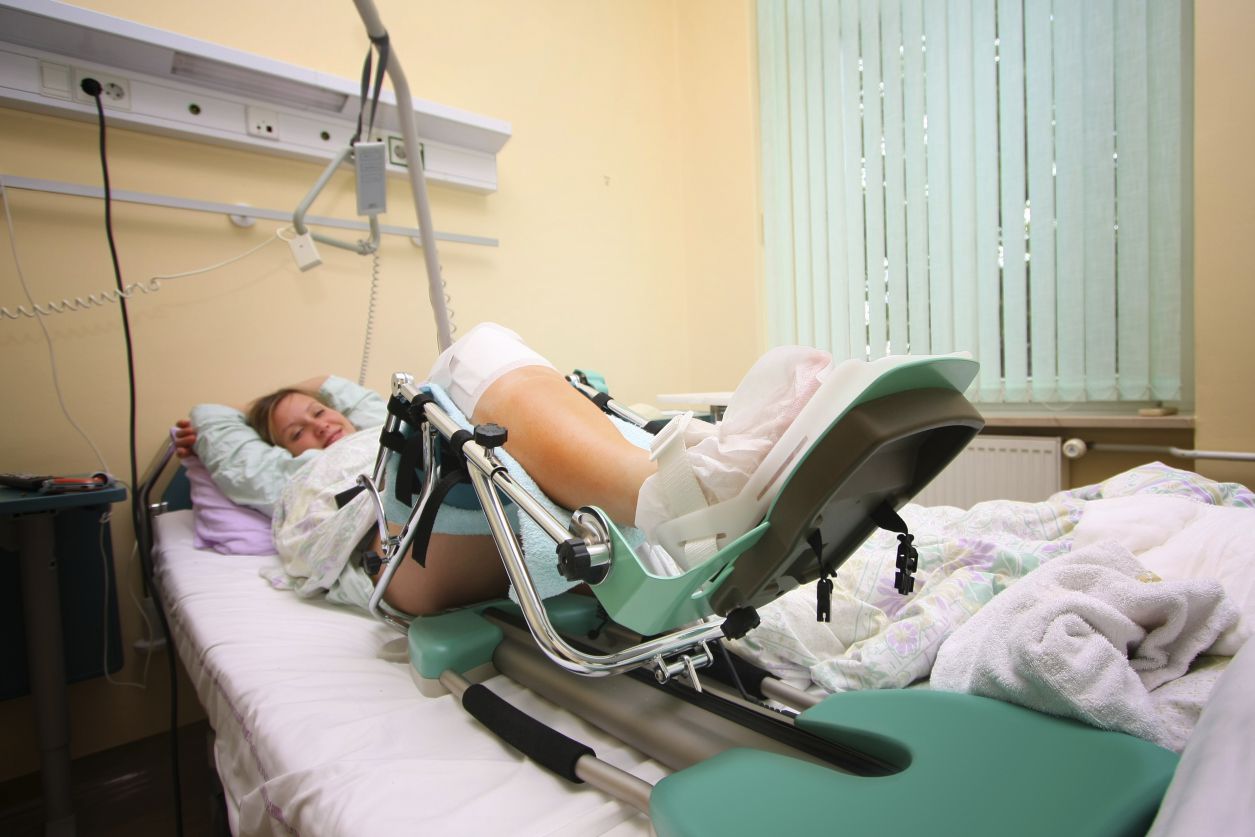
There is no age limit for this surgery. We have successfully helped patients from age 40 to 85

What About Non-Surgical Options? (Alternatives to Surgery)

Before committing to surgery, you may want to explore these alternatives. We can connect you with specialists for a second opinion.

Non-Surgical:

Physical Therapy: Strengthening the muscles around the knee.

Viscosupplementation Injections: Lubricating the joint for temporary relief.

Medication: Anti-inflammatory drugs.

Surgical Alternatives (Less Invasive):

Arthroscopy: A scope procedure to clean out loose debris (usually for younger patients).

Osteotomy: Cutting and realigning the bone to shift weight off the damaged area.

Partial Knee Replacement: Replacing only one compartment of the knee if the arthritis is localized.

Holistic/Alternative:

Ayurvedic Treatment: India is the birthplace of Ayurveda. Some patients opt for Panchakarma (detoxification) and herbal treatments to manage pain. Please consult your case manager to see if you are a candidate for this alongside modern medicine.

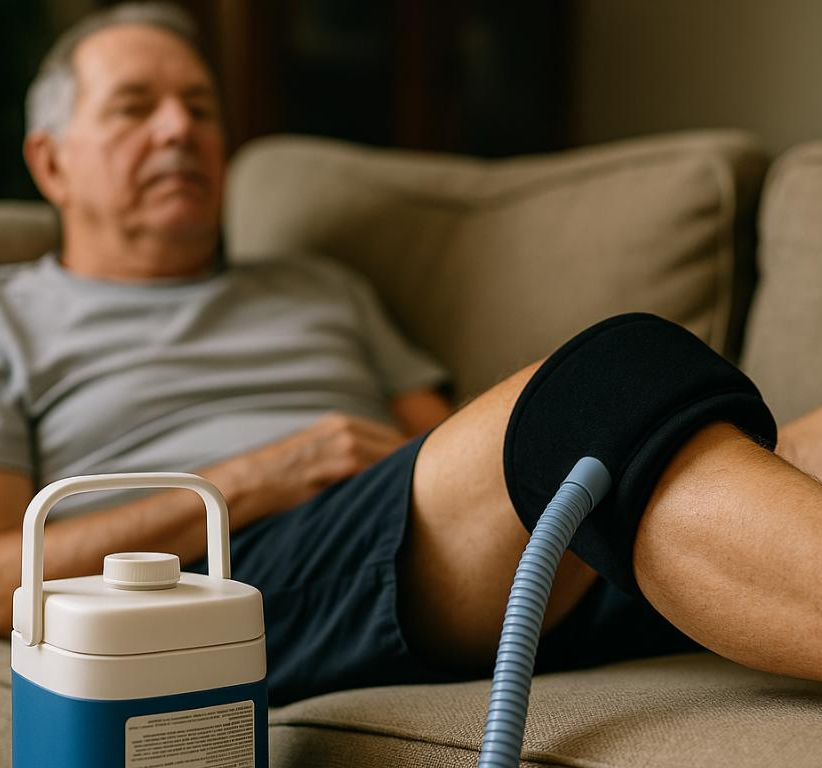
Your Recovery Timeline: What to Expect

Recovery is a journey, but modern techniques make it faster than ever.

Day 1-2 (Hospital): You will be encouraged to stand or walk with a walker and a physiotherapist. Pain is managed with medication.

Day 3-5 (Hospital): You will learn to climb stairs and perform basic exercises.

Week 2-3 (Recovery Stay): You will stay in a hotel or recuperation facility. Physiotherapy continues daily. You will walk independently.

Week 4-6 (Return Home): Most patients can fly back after 2 weeks, but we recommend staying for 3-4 weeks for intensive physio if possible.

Long Term: Your new knee will last 15-20 years. High-impact sports (jogging, jumping) are discouraged, but walking, swimming, and golf are encouraged.
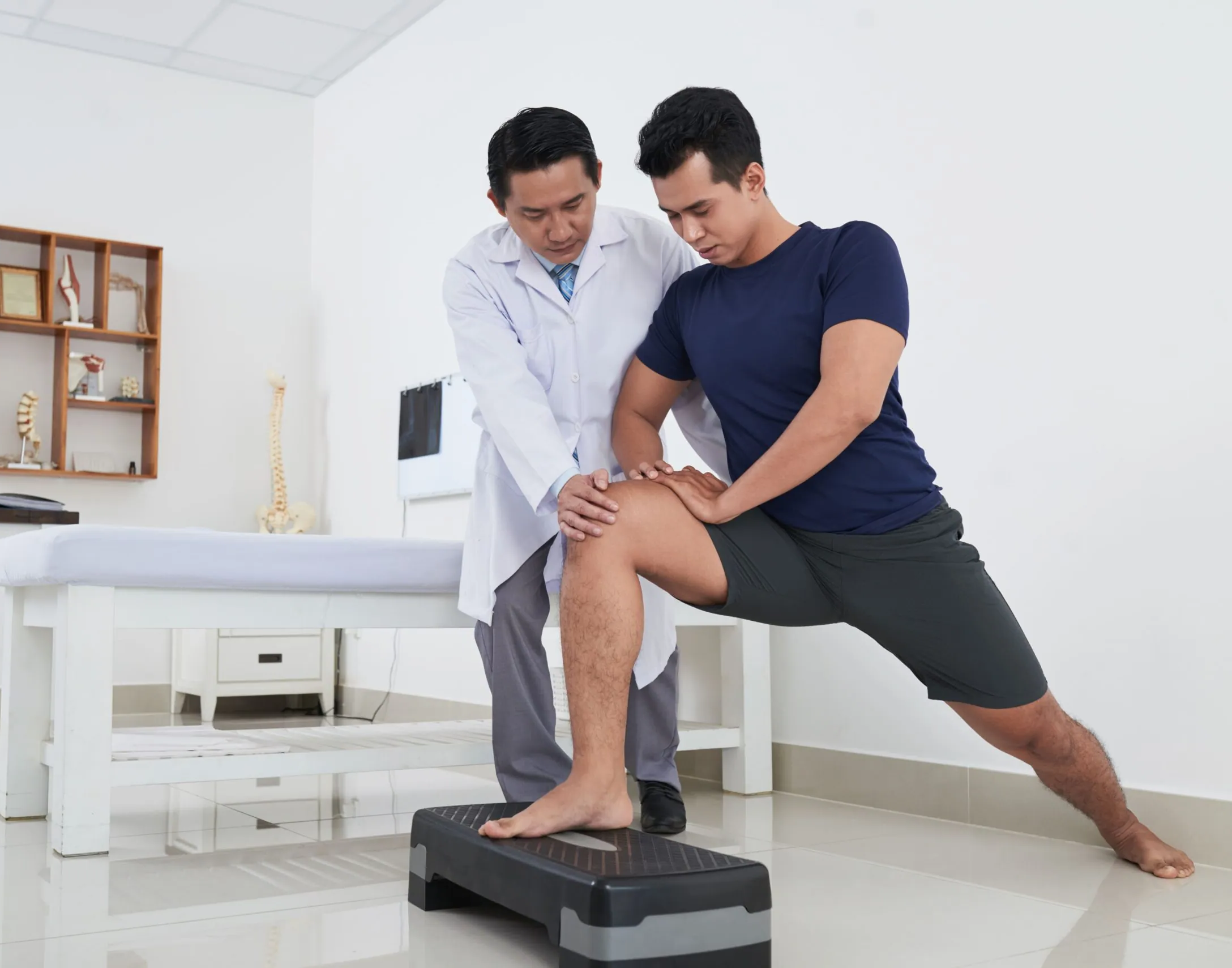

Meet India's Best Orthopedic Surgeons

Before committing to surgery, you may want to explore these alternatives. We can connect you with specialists for a second opinion.

At Medioasis, we partner only with surgeons who are:

Board Certified and often Fellowship trained (USA/UK/Germany).

Fluent in English.

Have a 99% success rate in primary knee replacements.

Associated with JCI or NABH accredited hospitals.
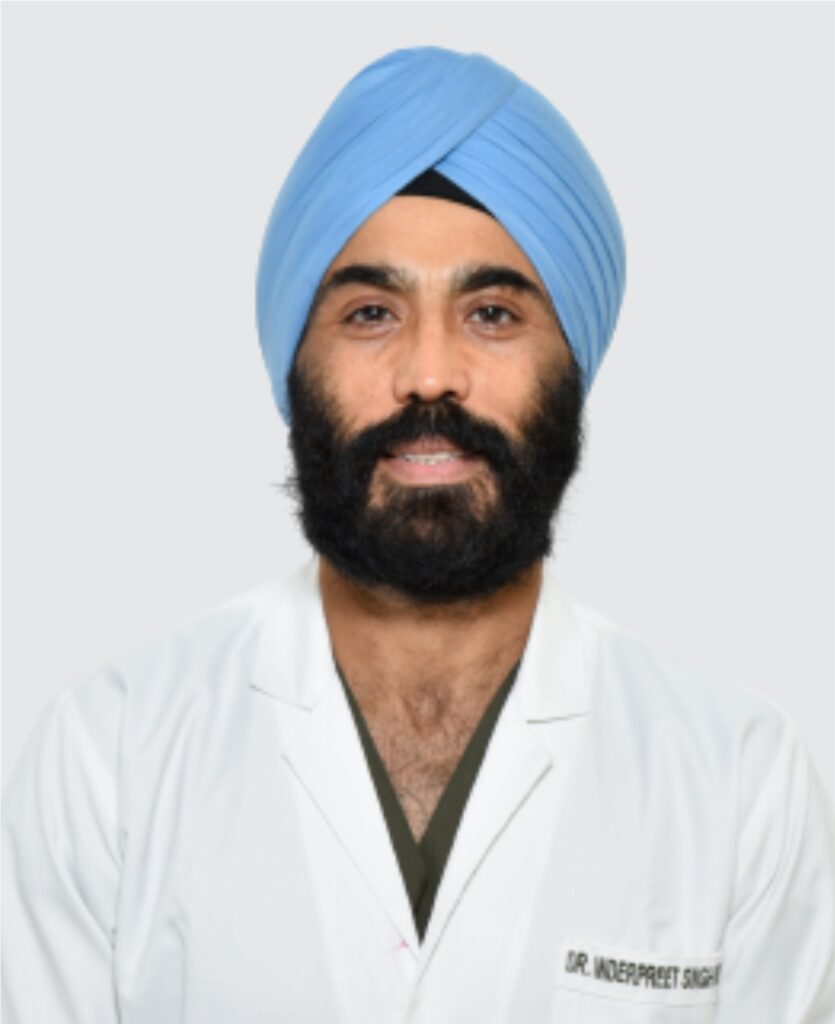
Dr. IPS Oberoi

Specialty

Orthopedic & Knee Replacement Surgeon

Dr. Mudit Khanna

Specialty

Orthopedic & Knee Replacement Surgeon

Dr. Bhushan Nariani

Specialty

Orthopedic & Knee Replacement Surgeon

Dr. Jayant Arora

Specialty

Orthopedic & Knee Replacement Surgeon

Top Accredited Hospitals for Knee Surgery

We operate out of the finest medical institutions in India, equipped with robotic surgery suites and dedicated international patient floors.

Why Medioasis ? Our Promise to You

Curated Matchmaking: We don't send you to just any hospital. We analyze your X-rays and match you with the surgeon who specializes in your specific condition.

End-to-End Logistics: From visa invitation letters to airport pickup and SIM cards, we handle the chaos.

Post-Operative Care: We ensure you have physiotherapy support and follow-up video calls with your surgeon after you return home.

Artemis Hospital

Location : Gurgaon

Multi-Superspeciality

Medanta Medicity

Location : Gurgaon

Multi-Superspeciality

Yashoda Hospital

Location : Secunderabad, Hyderabad

Multi-Superspeciality

Wockhardt Hospital

Location : Mumbai

Multi-Superspeciality

FREQUENTLY ASKED QUESTIONS

You should plan for a stay of approximately 3 weeks. This includes 1 day of pre-op tests, 4-5 days in the hospital, and 10-14 days of initial recovery and physiotherapy before you are fit to fly.

Yes, it is safe to fly in economy class after 10-14 days, provided you walk around the cabin occasionally and stay hydrated. Your surgeon will clear you before departure. We also help arrange wheelchairs at airports.

Yes, it might. We provide you with an official Implant Card and a letter from the hospital explaining that you have a medical implant, which you can show to security personnel.

Absolutely. The Indian Government issues a Medical Visa (M-visa) for the patient and a Medical Attendant Visa (MX-visa) for up to two attendants (usually spouse or children). We provide the official documents required for this application.

It’s simple.

  1. Contact Us: Share your medical reports and X-rays via WhatsApp or email.
  2. Get Opinions: We send your reports to 2-3 top surgeons for free quotes and opinions.
  3. Choose & Travel: You select the surgeon, we send the visa invite, and you book your flight.

Questions to Ask Your Surgeon (Checklist)

Before finalizing your surgery, ensure you get answers to these questions during your video consultation:

How many knee replacements do you perform annually?

What type of implant do you recommend for me and why?

What is your infection rate compared to the national average?

Will you be doing the surgery yourself, or will an assistant be involved?

What pain management protocol do you use?

How soon can I start physiotherapy?

Stop letting knee pain control your life. World-class treatment is more affordable than you think.